
-
 [交通]
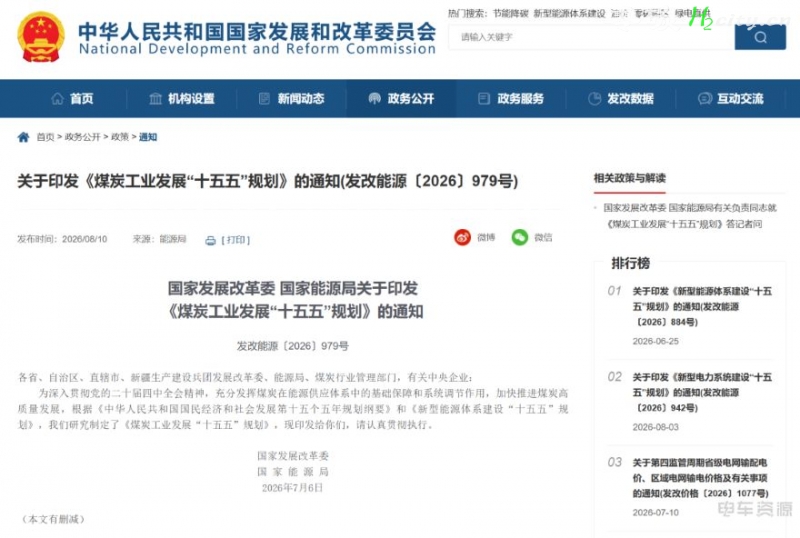
国家发改委:有序开展电动重卡、氢能矿卡规模化替代燃油重卡
[交通]
国家发改委:有序开展电动重卡、氢能矿卡规模化替代燃油重卡
-
[氢能]
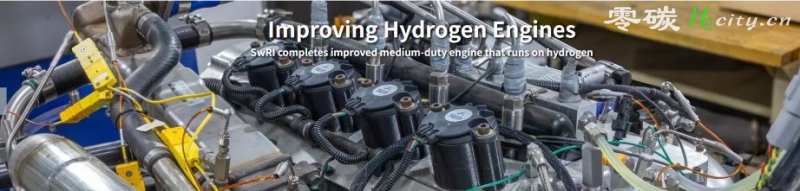
美国西南研究院展示新型氢内燃机,适用于中型卡车并提供类似柴油机性能
-
[储能]
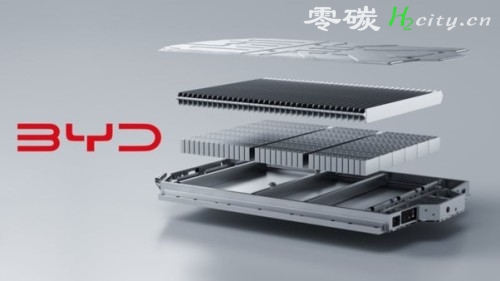
比亚迪申请六项固态电池专利,拟于2027年投产双电解质正极(固态)电池
-
[氢能]
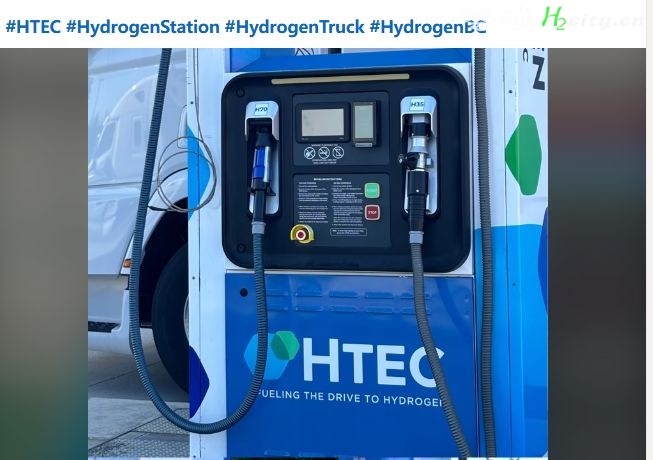
推动重型运输脱碳:加拿大首座700巴商用重型氢气加注站正式投运
-
[储能]
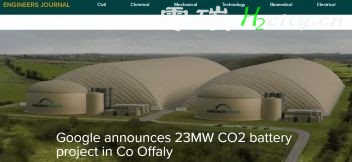
谷歌携手Energy Dome于爱尔兰奥法利郡打造23兆瓦二氧化碳电池储能项目
-
[交通]
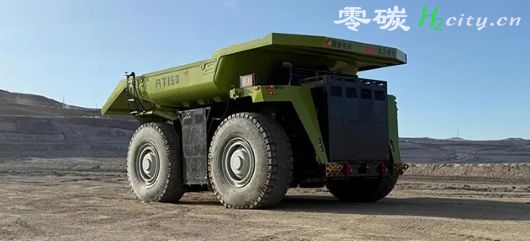
中国 首台百吨级纯电双向无人驾驶矿卡在通辽投运
-
[氢能]
美国加州:蒙特贝洛公交公司 (MBL) 推出首批氢燃料电池电动公交车 (FCEB)
-
[光伏]
光伏板挡住了阳光,下面的草为啥长得更茂盛了?
-
[技术]
海水制氢提镁:能把水变燃料? 中国海水炼金术,把海水变成免费的能源宝库
-
[交通]
茂名港完成绿色甲醇首船作业,贯彻双碳战略取得标志性成果



1) SOECs are ideal for integrating with facilities like chemical, steel, and ammonia plants and refineries. They have an edge over other electrolysers as they can access an external source of process heat with a 20% higher efficiency potential.
2) Next Generation SOEC:
1. H-SOEC
Solid oxide electrolytes O-SOEC conduct oxygen ions, while solid oxides H-SOEC conduct protons. H-SOEC operate at lower temperatures and have higher ion conductivity. However, the mechanisms of H-SOEC are not well understood, and the electrical efficiencies of H-SOEC designs are still lower than those of O-SOECs.
2. New materials
SOEC start-ups have reinvented the manufacturing process using new materials and dry power pressing additive methods. This produces a seal-free, monolithic design with internal gas routing, increasing the pressure range and power density while eliminating potential failure mechanisms with seals and interconnects.
3. Novel ionically conductive materials.
Advanced Ionics claims to have developed a hybrid electrolyser design that eliminates the need for a brittle ceramic membrane. This design allows the electrolyzer to operate at a lower temperature range of 200°C–600°C.
3) BoP elements include:
1- A top-up heater
2- A water purifier
3- A water feed
4- A water vaporiser
5- A hydrogen/steam separator
6- Power electronics
7- Heat exchangers/recuperators
8- A dryer
9- Compressors for hydrogen and oxygen.
10- Instrumentation
4) Energy Consumption of SOEC Components kWh/kgH2:
1. Component kWh/kgH2
2. Electric heating feed = 1.2
3. Electric heating air = 1.8
4. Hydrogen compressor = 2.2
6. SOEC stack (DC) = 34.6
7. Total LHV (with steam import) = 39.8
8. Steam generation (if required) = 7.9
9. Total HHV (with internal steam generation) = 47.7
5) Stack (DC) energy consumption (kWh/kg H2):
SOEC = 34
Alkaline = 47 – 66
PEM = 47 – 66
AEM = 51.5 – 66
6) System energy consumption (kWh/kg H2)
SOEC = 38 (with steam) / 48 (without steam)
Alkaline = 50-78
PEM = 50-83
AEM = 40-80
7) SOEC OEMs:
1) Bloom Energy
mfg capacity per year = 2GW
2) Ceres
Upcoming projects:
- 1 MW solid oxide electrolyzer in 2023 in India.
- 1 MW by 2024 with Bosch and Linde Engineering.
3) Elcogen
mfg capacity per year =1 to 10 MW (100 to 200 MW soon)
4) FuelCell Energy
mfg capacity per year = 10 to 100 MW (GW scale by 2030)
5) Sunfire
mfg capacity per year = 1 – 10 MW
6) Topsoe
mfg capacity per year = 500 MW by 2025 (expand to 5 GW)
8) "Technology Readiness Level” (TRL):
Chemical Industry – Carbon Monoxide Production → TRL: 8
Chemical Industry – Hydrogen Production → TRL: 7
Steelmaking → TRL: 7
Synthetic Fuels → TRL: 5 – 6
Energy Storage → TRL: 5 – 6
Nuclear → TRL: 3 – 4
✅ Source of the above data is provided in the images attached to this post.
✅ My posts reflect my personal perspective, knowledge, experience, and advice.
Can you name any other SOEC OEMs?

平台声明:该文观点仅代表作者本人,零碳未来网 系信息发布平台,我们仅提供信息存储空间服务。
发表评论 取消回复