
-
 [交通]
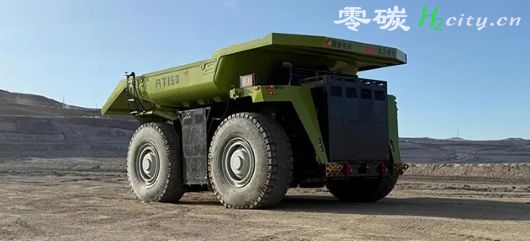
国家发改委:有序开展电动重卡、氢能矿卡规模化替代燃油重卡
[交通]
国家发改委:有序开展电动重卡、氢能矿卡规模化替代燃油重卡
-
[氢能]
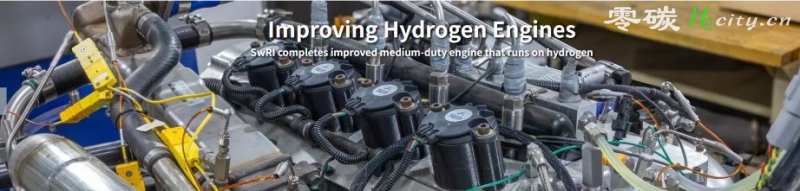
美国西南研究院展示新型氢内燃机,适用于中型卡车并提供类似柴油机性能
-
[储能]
比亚迪申请六项固态电池专利,拟于2027年投产双电解质正极(固态)电池
-
[氢能]
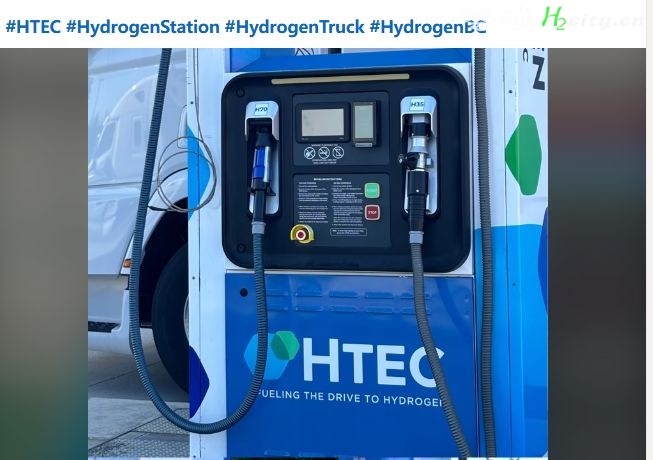
推动重型运输脱碳:加拿大首座700巴商用重型氢气加注站正式投运
-
[储能]
谷歌携手Energy Dome于爱尔兰奥法利郡打造23兆瓦二氧化碳电池储能项目
-
[交通]
中国 首台百吨级纯电双向无人驾驶矿卡在通辽投运
-
[氢能]
美国加州:蒙特贝洛公交公司 (MBL) 推出首批氢燃料电池电动公交车 (FCEB)
-
[光伏]
光伏板挡住了阳光,下面的草为啥长得更茂盛了?
-
[技术]
海水制氢提镁:能把水变燃料? 中国海水炼金术,把海水变成免费的能源宝库
-
[交通]
茂名港完成绿色甲醇首船作业,贯彻双碳战略取得标志性成果




Hydrogen buses are a financial black hole for transit agencies.
We've all known for a while that hydrogen buses are more expensive to buy and run than and an electric bus, however, this assumption is actually a vast understatement.
A more appropriate example would be a financial black hole that sucks in every cent a transit agency has.
Why do I say this?
Let's take a look at some simple math, starting with Michael Sura's excellent analysis and graphic below.
Using the following energy consumption assumptions;
BEV bus - 130kWh/100km
FCEV bus - 10.25kg/100km
We can calculate cost per 100km, based on California's current electricity and hydrogen prices of:
Electricity - 20c/kWh
Hydrogen - $36/kg
Leads us to total energy cost per 100 kilometres (62 miles):
BEV bus - $26
FCEV bus - $369
In other words, the FCEV is 14x more expensive to run in California.
Mein Gotts.
It's not just poor thermodynamics and inefficient storage that's the problem, you need to add in the extra cost of the bus, infrastructure and more expensive maintenance.
In fact, these numbers are best case. In California, most depots benefit from heavily subsidized solar for charging, further reducing the cost.
Hydrogen fuel stations also have subsidies, however, based on recent experience of FCEV users, you can't discount the fact that the hydrogen might not rock up at all. In other words, the H2 bus goes nowhere - just like happened to the H2 buses in Scotland.
While we know that California's grid ain't the world's sturdiest, we also know that green hydrogen will have a 3x higher impact on the grid than battery electric.
ie If you think an EV fleet is marginal on the grid, then you absolutely CANNOT do hydrogen - unless you decide to import some polluting grey or black hydrogen from somewhere.
Which, unfortunately, it is this bait and switch game that is the hydrogen reality.
Can you think of a reason why a transit agency would want to run hydrogen FCEV buses?
Let me know your thoughts in the comments below

平台声明:该文观点仅代表作者本人,零碳未来网 系信息发布平台,我们仅提供信息存储空间服务。




发表评论 取消回复