
-
 [交通]
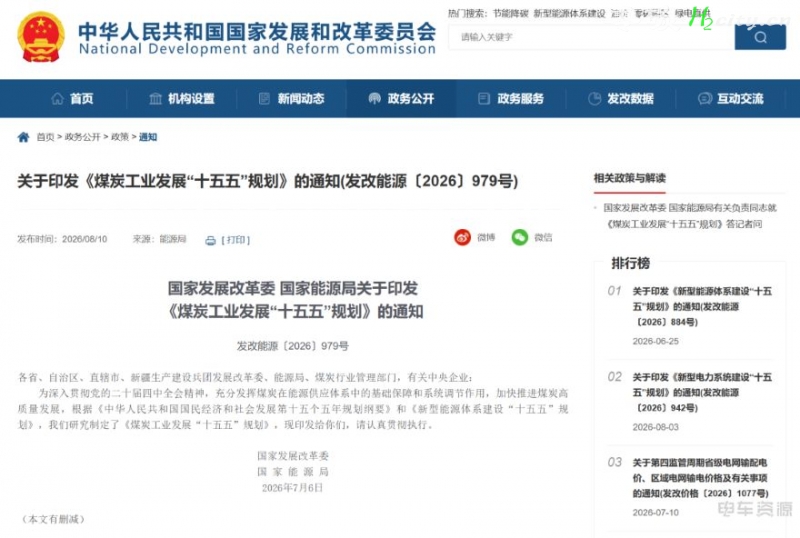
国家发改委:有序开展电动重卡、氢能矿卡规模化替代燃油重卡
[交通]
国家发改委:有序开展电动重卡、氢能矿卡规模化替代燃油重卡
-
[氢能]
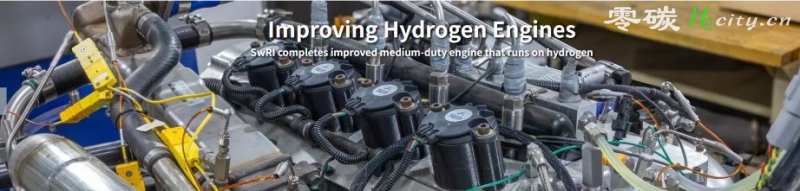
美国西南研究院展示新型氢内燃机,适用于中型卡车并提供类似柴油机性能
-
[储能]
比亚迪申请六项固态电池专利,拟于2027年投产双电解质正极(固态)电池
-
[氢能]
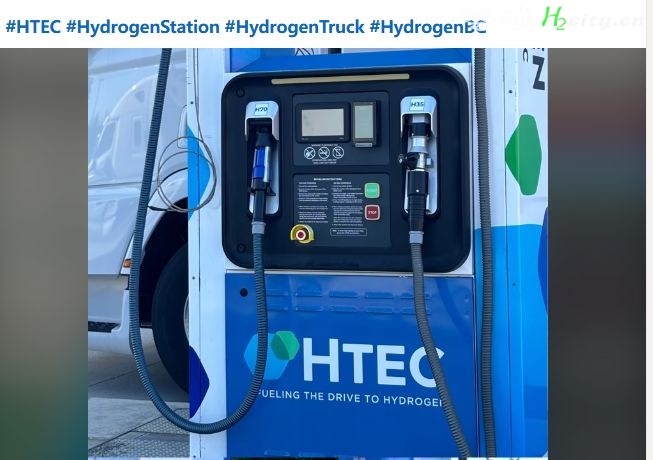
推动重型运输脱碳:加拿大首座700巴商用重型氢气加注站正式投运
-
[储能]
谷歌携手Energy Dome于爱尔兰奥法利郡打造23兆瓦二氧化碳电池储能项目
-
[交通]
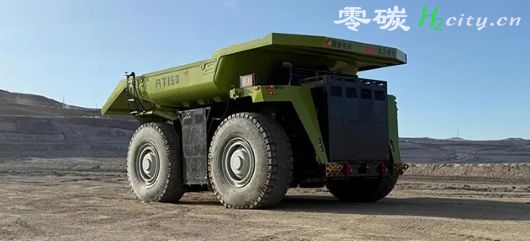
中国 首台百吨级纯电双向无人驾驶矿卡在通辽投运
-
[氢能]
美国加州:蒙特贝洛公交公司 (MBL) 推出首批氢燃料电池电动公交车 (FCEB)
-
[光伏]
光伏板挡住了阳光,下面的草为啥长得更茂盛了?
-
[技术]
海水制氢提镁:能把水变燃料? 中国海水炼金术,把海水变成免费的能源宝库
-
[交通]
茂名港完成绿色甲醇首船作业,贯彻双碳战略取得标志性成果




Steam reformers are key units for large-scale hydrogen, ammonia, and methanol production.
? 1 Material of construction in syngas outlet systems:
1.1 Syngas-exposed components use nickel-based alloys and reach 816-927°C (1500-1700°F).
1.2 Reformer tubes are high nickel alloys with the addition of microalloy elements.
1.3 For T between 149°C to 204°C (300°F to 400°F), carbon or alloy steels are used in refractory lined sections.
? 2 Failure modes
2.1 Metal dusting
Metal dusting is a rapid form of carburization that leads to the loss of material thickness.
Tempreature range for metal dusting = 427 °C to 704 °C (800 °F to 1300 °F).
Metal dusting is a chemical reaction that forms solid carbon and leads to metal disintegration.
• Reduction reaction: CO + H2 = C + H2O; or
• Boudouard reaction: 2CO = C + CO2.
2.2 Thermal ageing:
High temperature cast alloys undergo thermal aging, resulting in microstructural changes over time at service temperature and embrittlement.
Solution annealing can restore the mechanical properties of thermally aged alloys, but not creep damage.
Cast alloys are more susceptible to thermal aging induced embrittlement compared to wrought or forged materials.
2.3 Thermal fatigue
Thermal fatigue occurs due to cyclic stresses caused by temperature fluctuations.
If ΔT >= 110°C (200°F), then the likelihood of cracking increases.
ΔT = temperature swing
2.4 Creep
Under load and high temperatures, metals can gradually deform below yield stress in a time-dependent process known as creep.
Alloy Threshold temperature:
• Carbon steels 700 °F (371 °C)
• Cr-Mo steels 800 °F (427 °C)
• Austenitic stainless steels 900 °F (482 °C)
• High nickel alloys 1100 °F (593 °C)
2.5 Stress corrosion cracking (SCC):
SSC occurs when a susceptible material is exposed to a corrosive environment and a tensile stress is applied simultaneously.
The alloys with higher nickel content exhibit greater resistance to SCC.
2.6 Stress relaxation cracking (SRC)
Limited ductility causes cracking at grain boundaries, often seen in heavily stressed components with thick walls.
SRC = f(T)
Where T = temperature from 499°C to 749°C (930°F to 1380°F) and f is a function.
2.7 High-temperature hydrogen attack (HTHA)
HTHA is caused by hydrogen exposure at high temperatures and pressures. Hydrogen reacts with steel carbides, forming methane (CH4). Methane pressure builds up, leading to cracks (refer to API RP 941).
2.8 Hydrogen embrittlement
Hydrogen embrittlement degrades materials by introducing hydrogen, causing lower strength, ductility, and increased fatigue crack growth.
Hydrogen embrittlement is more likely to occur at room temperature, but less likely to occur at above 149°C (300°F).
EIGA Doc 202/15.
✅ My posts reflect my personal perspective, knowledge, experience, and advice.
? Is it possible for hydrogen embrittlement to occur at temperatures above 149°C (300°F)?

平台声明:该文观点仅代表作者本人,零碳未来网 系信息发布平台,我们仅提供信息存储空间服务。



发表评论 取消回复