
-
 [交通]
国家发改委:有序开展电动重卡、氢能矿卡规模化替代燃油重卡
[交通]
国家发改委:有序开展电动重卡、氢能矿卡规模化替代燃油重卡
-
[氢能]
美国西南研究院展示新型氢内燃机,适用于中型卡车并提供类似柴油机性能
-
[储能]
比亚迪申请六项固态电池专利,拟于2027年投产双电解质正极(固态)电池
-
[氢能]
推动重型运输脱碳:加拿大首座700巴商用重型氢气加注站正式投运
-
[储能]
谷歌携手Energy Dome于爱尔兰奥法利郡打造23兆瓦二氧化碳电池储能项目
-
[交通]
中国 首台百吨级纯电双向无人驾驶矿卡在通辽投运
-
[氢能]
美国加州:蒙特贝洛公交公司 (MBL) 推出首批氢燃料电池电动公交车 (FCEB)
-
[光伏]
光伏板挡住了阳光,下面的草为啥长得更茂盛了?
-
[技术]
海水制氢提镁:能把水变燃料? 中国海水炼金术,把海水变成免费的能源宝库
-
[交通]
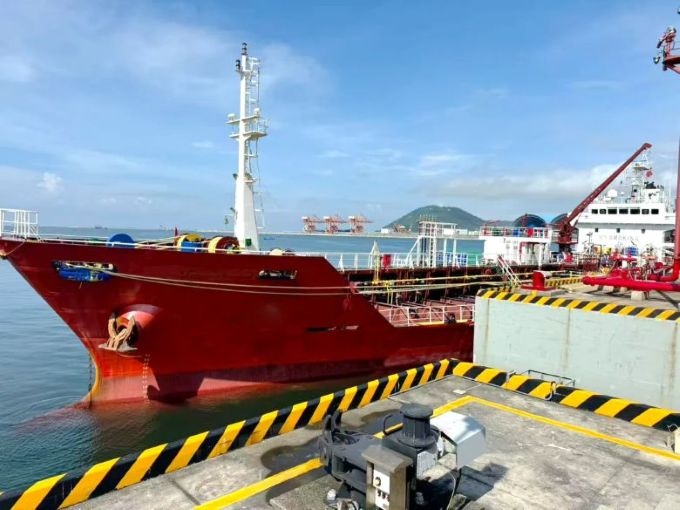
茂名港完成绿色甲醇首船作业,贯彻双碳战略取得标志性成果



By: Carlos Bernuy-Lopez PhD University of Liverpool

Let's work smartly to develop Green Hydrogen as fast as possible. This means to put each electrolysis technology at their best to maximize their properties.
(1) Alkaline technologies. Due to their large footprint and higher energy consumption, these technologies are very nice to those projects where space is not an issue (land availability) and where electricity prices are low.
(2) PEM technologies. This technology has smaller footprint and therefore it is very suitable where land availability is more constraint. Similarly, projects with high variability of electrical load will also profit from this technology.
(3) SOEC technologies. This technology can use excess heat and has the lowest energy consumption. Projects with higher electricity prices and the possibility to be connected to excess heat sources will profit of lower LCOH by the use of this technology.
Every technology will be needed, so try to learn their advantages and disadvantages to maximize your productivity.
平台声明:该文观点仅代表作者本人,零碳未来网 系信息发布平台,我们仅提供信息存储空间服务。

发表评论 取消回复