
-
 [交通]
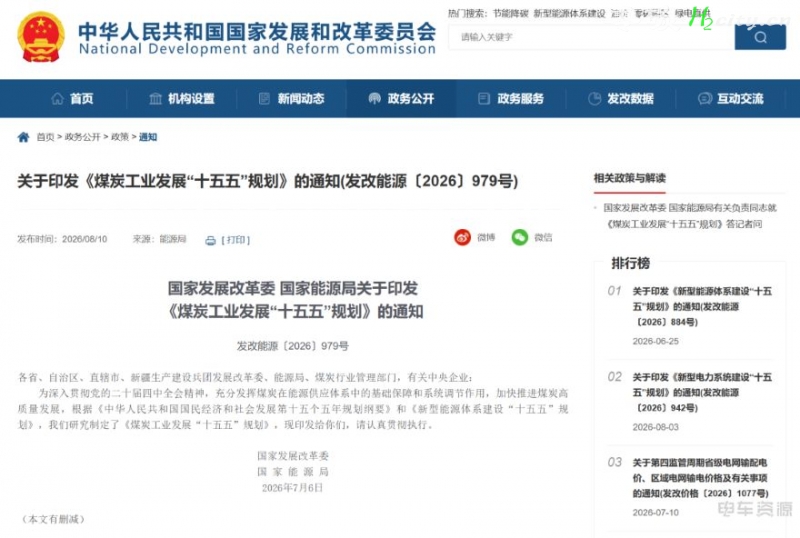
国家发改委:有序开展电动重卡、氢能矿卡规模化替代燃油重卡
[交通]
国家发改委:有序开展电动重卡、氢能矿卡规模化替代燃油重卡
-
[氢能]
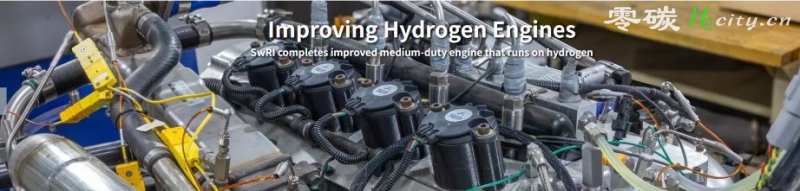
美国西南研究院展示新型氢内燃机,适用于中型卡车并提供类似柴油机性能
-
[储能]
比亚迪申请六项固态电池专利,拟于2027年投产双电解质正极(固态)电池
-
[氢能]
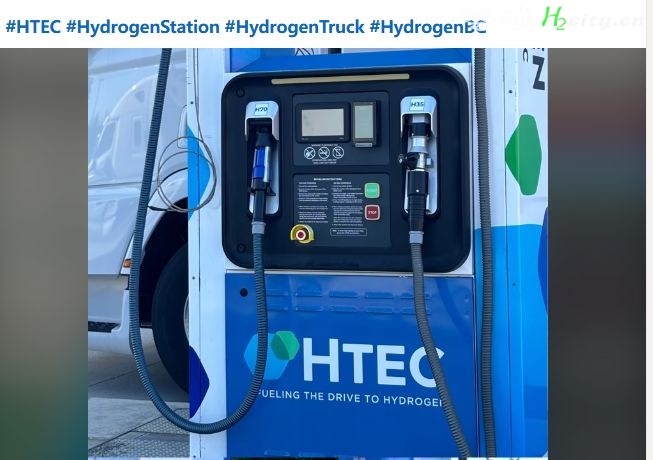
推动重型运输脱碳:加拿大首座700巴商用重型氢气加注站正式投运
-
[储能]
谷歌携手Energy Dome于爱尔兰奥法利郡打造23兆瓦二氧化碳电池储能项目
-
[交通]
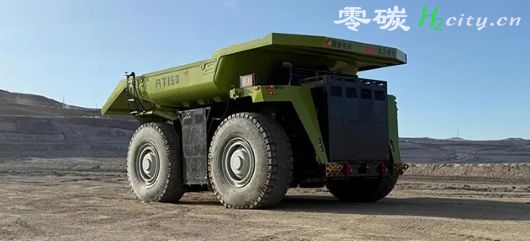
中国 首台百吨级纯电双向无人驾驶矿卡在通辽投运
-
[氢能]
美国加州:蒙特贝洛公交公司 (MBL) 推出首批氢燃料电池电动公交车 (FCEB)
-
[光伏]
光伏板挡住了阳光,下面的草为啥长得更茂盛了?
-
[技术]
海水制氢提镁:能把水变燃料? 中国海水炼金术,把海水变成免费的能源宝库
-
[交通]
茂名港完成绿色甲醇首船作业,贯彻双碳战略取得标志性成果




High demand for methanol is coming from different industries: - Methanol as a hydrogen carrier (img 1, 2).
- Methanol-to-hydrogen fuel cells (img 3).
- Methanol as a sustainable and circular combustion fuel.
- Shipping companies are investing billions into rolling out methanol-fueled vessels, which also means bunkering and methanol infrastructure must follow, but is lagging.
IRENA:
- "Around 98 million tonnes (Mt) are produced per annum, nearly all of which is produced from fossil fuels (either natural gas or coal)"
- "Methanol production has nearly doubled in the past decade, with a large share of that growth being in China. Under current trends, production could rise to 500 Mt per annum by 2050, releasing 1.5 Gt CO2 per annum if solely sourced from fossil fuels."
- "Less than 0.2 Mt of renewable methanol is produced annually, mostly as bio-methanol. The methanol produced by either route is chemically identical to methanol produced from fossil fuel sources."
Let's put the costs into perspective:
- Grey methanol: $100-250 per tonne
- Bio-methanol: $320-770 per tonne (x3 price)
- E-Methanol: $1200-2400 per tonne (x10 price)
Bio-methanol is not very scalable, and it conflicts with land use (rising food demand = more farm land). E-methanol is (today) the only scalable solution, but it's very expensive because it involves green hydrogen production and CO2 capture (and logistics for both if not produced on-site).
But grey methanol could be made "green", as a temporary solution until the production of truly green e-methanol is cost competitive (just like nuclear energy).
1. Coal is converted into syngas and then reformed into methanol (or another chemical). The excess emissions are captured (CCS) and used as feedstock for e-methanol production = almost zero emissions.
2. Existing coal-to-electricity/heating plants can be retrofitted with CO2-capture modules, and that CO2 can be used for synthesizing more e-methanol = almost zero emissions.
Such investments could likely make Asia a dominant player in the production and supply of sustainable methanol. Because it can re-use its existing coal infrastructure as a catalyst to meet the high demand for methanol worldwide. The economics are tough, but the rising price for methanol with decreasing costs for capturing CO2 and producing hydrogen could make these investments worthwhile.
When green e-methanol becomes economically feasible, we may no longer need to use fossil fuels, and the methanol industry becomes circular (renewable).

平台声明:该文观点仅代表作者本人,零碳未来网 系信息发布平台,我们仅提供信息存储空间服务。



发表评论 取消回复